Stakes are high for UN panel replacing millennium development goals
The
UN panel starting work on a post-2015 development vision faces huge
pressure to cover issues left out of the original goals, to decide who
to consult and how to set measurable targets
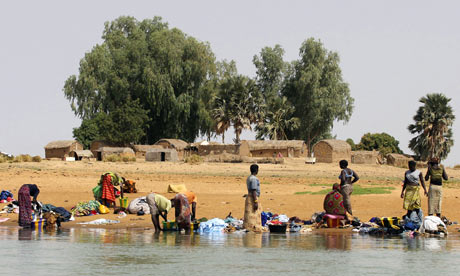
Residents washing
clothes on the banks of the Niger River, in central Mali. Their future,
along with millions of others, is the focus of UN discussions to replace
the MDGs. Photograph: Francois Xavier Marit/AFP/Getty Images
For the past 12 years, the
millennium development goals
(MDGs) have shaped policy, guided political agendas, and channelled
hundreds of millions of dollars of aid money around the globe. But with
the MDGs due to expire at the end of 2015, the international community
is starting to tackle the huge, inevitable follow-up question: what
comes next?
The post-MDG process will officially begin on Tuesday, when a
UN-appointed committee of international political big-shots will meet for the first time in New York. Led by the UK prime minister David Cameron,
Liberia's President Ellen Johnson Sirleaf, and
Indonesia's President Susilo Bambang Yudhoyono, the 26-member committee has been assigned the task of creating a "development vision" to replace the MDGs after they expire.
"The stakes are very, very high," says Ben Leo, global policy director of the anti-poverty organisation,
One Campaign.
"Not just in terms of money, but also how much time and energy is going
to be spent on monitoring and implementing these goals – and creating
additional political momentum over the next 10 to 15 years."...